

The Birth of Highland Heights
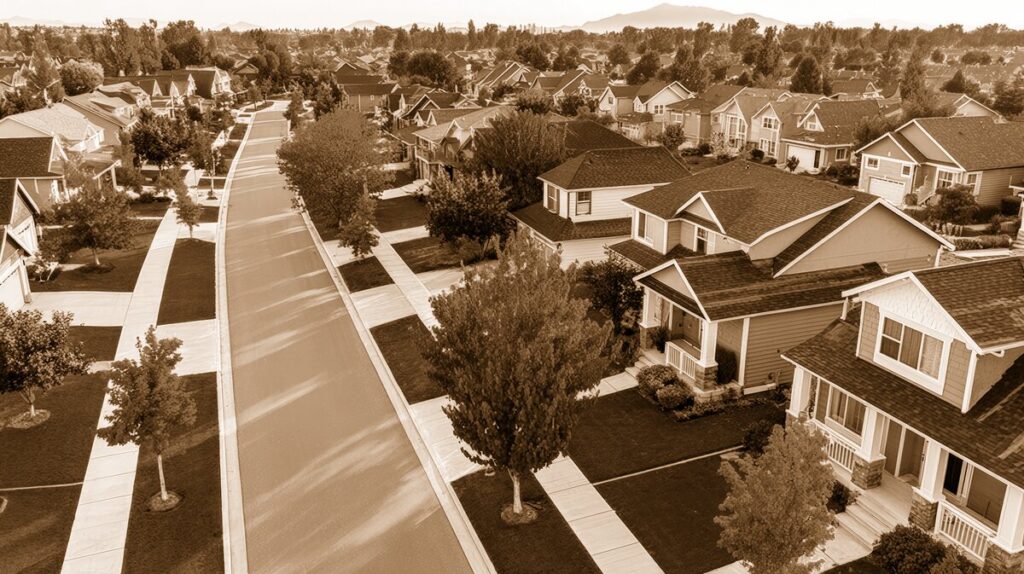
Nestled just north of Fort Atkinson’s bustling downtown, Highland Heights stands as a testament to the city’s growth, history, and enduring sense of community. Many locals know this friendly neighborhood for its gently sloping streets and well-kept homes, but the true story of Highland Heights begins long before its modern days of block parties and neighborhood walks.
The area that would become Highland Heights was originally rolling prairie, dotted with wildflowers and traversed by deer and foxes. In the late 19th century, as Fort Atkinson boomed with new businesses and an influx of settlers, families began to look northward for places to build. The higher elevation offered not only impressive views of the Rock River, but also the safety and dryness prized for new homes.
How Highland Heights Got Its Name
The neighborhood’s name is both literal and lovingly descriptive. Residents in the early 1900s jokingly referred to the area as “the Highlands” because it sat above the floodplains closer to Main Street. Eventually, Highland Avenue, which winds through the heart of the neighborhood today, gave Highland Heights its lasting name. Many early documents refer to these blocks as “the high ground” — later stylized to Highland Heights when the city officially platted the streets.
Milestones Through the Decades
Highland Heights’ story is interwoven with the evolving fortunes of Fort Atkinson itself. Key milestones include:
- 1900s – Early Development: The first homes began appearing along Highland Avenue and adjacent streets like Oak Street and Monroe Street. These houses, many still standing, are a mix of Queen Anne and Craftsman styles.
- 1920s – The Boom Years: With Fort Atkinson’s dairy industry providing jobs, neighborhoods grew rapidly. Parks and green spaces were planned to give families room to breathe. Highland Park, at the northern end of Highland Avenue, soon became a favorite gathering spot.
- 1950s – Schools & New Families: Post-war prosperity brought new families and the construction of public institutions. The now-beloved Highland Elementary School opened its doors in 1954, serving generations of local children.
- 1970s-80s – Community Spirit: Homeowners formed tight-knit neighborhood groups. Block parties, annual yard sales, and volunteer cleanups became the norm.
- 2000s-Present – Preservation & Renewal: Many original homes have been lovingly restored, and new families continue to move in, drawn by the neighborhood’s charm, classic architecture, and walkable streets.
Notable Landmarks and Buildings
Highland Heights is proud of its architectural and community landmarks. A stroll through the neighborhood reveals:
- Highland Avenue Boulevard: The community’s main thoroughfare, lined with mature maples and century-old homes. Many houses boast intricate woodwork, wide porches, and stained-glass details.
- Highland Park: At the corner of Highland Avenue and Oak Street, this park offers baseball fields, playgrounds, and a picnic grove. The park serves as the venue for Fourth of July parades and neighborhood picnics.
- Highland Elementary School: Still operating today, the school is not just a place of learning, but a gathering place for community events, fairs, and even election day polling.
- St. Paul’s Lutheran Church: Facing Lafayette Street, this stately stone church was built in 1921. Its bell tower and beautiful stained glass make it a local landmark, and its basement often hosts everything from chili dinners to quilting bees.
Community Life and Evolution
Much has changed over the years, but the heart of Highland Heights has always been its sense of welcome. Longtime residents fondly remember sledding down the wide hill of Highland Avenue in winter and walking to the corner store for penny candy. Young parents today cherish impromptu meetups at the park and their children's walkable routes to school.
The neighborhood has skillfully balanced preservation and progress. While many original homes remain, others have been updated with energy-efficient features and fresh coats of paint. Streets remain cozy and tree-lined, with neighbors often tending shared gardens or organizing seasonal celebrations.
What Makes Highland Heights Enduringly Special
When you ask a Highland Heights resident what makes the neighborhood unique, a few themes always come up:
- Heritage: Many families trace their roots back generations. Heirlooms and stories are treasured and shared at block parties or over backyard fences.
- Walkability: Quiet streets, maintained sidewalks, and lovely parks make this a neighborhood you explore on foot or by bike.
- Architecture: The mix of early-20th-century elegance and midcentury practicality gives Highland Heights a distinct personality.
- Community Pride: From tending flower beds in Highland Park to coordinating food drives at the school, Highland Heights is alive with local pride.
Preserving the Best of the Past
As Fort Atkinson continues to grow, Highland Heights remains a beloved link to the city’s traditions. Preservation efforts—often led by neighborhood associations—ensure that the charm and stories of the past stay alive, even as modern families add new chapters.
Walking through Highland Heights on a sunny day is an experience: children’s laughter echoes from the park, front porches host conversations over coffee, and the historic homes serve as a beautiful reminder of the neighborhood’s roots. Whether you are a history buff, a parent, or simply in search of a welcoming spot to put down roots, Highland Heights continues to invite all to share in its legacy.